

CS2 has one of the steepest learning curves of any competitive shooter, and the biggest challenge for beginners is not the game itself - it is knowing where to direct attention first. Most new players jump into competitive matches before they have the settings, habits, or foundational knowledge to extract meaningful improvement from those sessions. Reading structured articles on individual mechanics and systems is one of the most efficient ways to close that knowledge gap before it costs you ranked placement and motivation.
This guide provides a clear entry roadmap: where to start before you ever queue a competitive match, which skills to prioritize first, and how to structure practice so that your sessions build on each other rather than resetting every time you load in.
Start With the Right Settings Before Anything Else
Settings are the foundation on which every other skill is built. Playing with the wrong sensitivity, resolution, or crosshair means your muscle memory will be calibrated to the wrong parameters, and changing settings later forces you to relearn movements from scratch. Locking in solid settings in your first week saves hours of recalibration later.
Sensitivity, Resolution, and Crosshair Setup
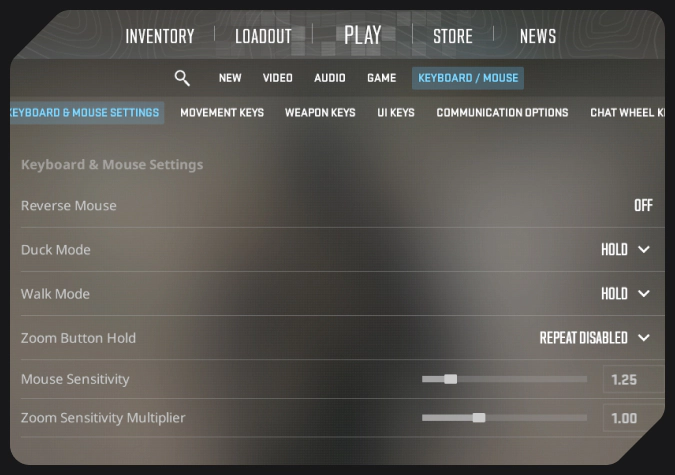
Begin with a sensitivity in the 800–1200 eDPI range, which balances precise micro-adjustments with the ability to flick across the screen. eDPI is calculated by multiplying your mouse DPI by your in-game sensitivity - for example, 400 DPI at 2.5 sensitivity equals 1000 eDPI. Start at the lower end of this range if you have a larger mousepad or tend to overshoot targets. For your crosshair, use a small static style without a dynamic gap that expands when moving - dynamic crosshairs give false feedback about your accuracy window because they respond to movement rather than shot placement. A green or cyan crosshair on a small dot or classic style is the most readable starting configuration.
Setting Up a Controlled Practice Environment
Before queuing matches, spend your first few sessions in offline modes to remove pressure from the learning process. Launch a private server with bots set to easy difficulty and disabled team fill to practice movement, spray patterns on walls, and crosshair placement at common angles without time pressure. Install two or three community workshop maps from the Steam Workshop: one recoil training map, one aim warm-up map, and one map geometry overview for your chosen starting map. These three tools alone give you a structured practice environment without spending a single minute in competitive.
The Skills That Matter Most at the Start
Not every CS2 skill is equally valuable in your first fifty hours. Some skills have immediate leverage - they directly increase your ability to win duels and rounds - while others are refinements that only become meaningful once the basics are solid. Prioritizing correctly multiplies your improvement rate without burning out your motivation.
Aim First - But Correctly
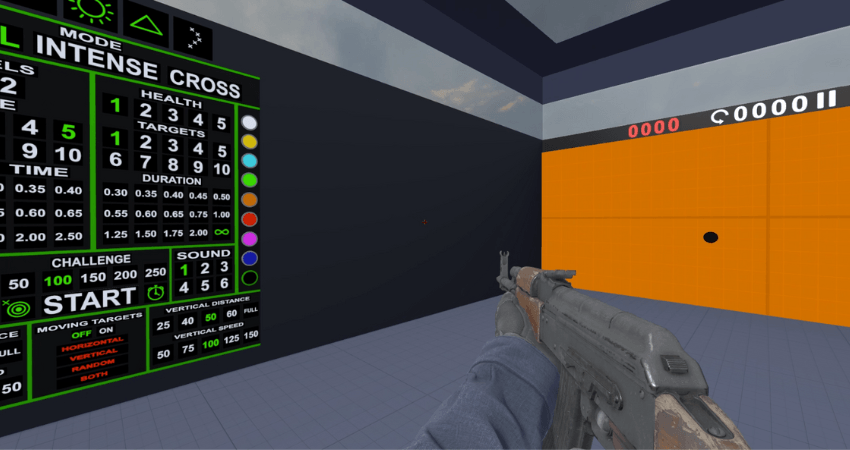
Raw aim is the first priority, but aim training in CS2 is specific. Generic aim trainers outside the game build hand-eye coordination but do not replicate the deceleration physics, spray patterns, or movement-to-accuracy relationship that CS2 uses. Spend aim practice time inside the game: deathmatch servers, workshop aim maps, and spray wall sessions. Focus on landing the first bullet accurately, then expand to two- and three-bullet bursts before attempting full spray control. First-shot accuracy in CS2 is disproportionately rewarded at every skill level.
Map Knowledge Before Tactical Play
New players often try to learn tactics, setups, and grenade lineups before they can navigate the map confidently. This is backwards. Know where every area of the map is, how to get there safely, and what it is called before adding any tactical layer. The table below shows a recommended learning sequence for the two most beginner-friendly maps:
|
Learning Stage |
Dust2 Focus |
Mirage Focus |
|---|---|---|
|
Week 1 |
Layout navigation, basic callouts |
Layout navigation, basic callouts |
|
Week 2 |
Long A and B tunnels approach angles |
Mid window and A ramp approach |
|
Week 3 |
Common peek angles for each site |
CT rotation timings and holds |
|
Week 4 |
One simple smoke per site |
Jungle and short A smokes |
Structured Practice vs. Playing Matches
Competitive matches are not efficient teaching tools for beginners. The pressure, short rounds, and team-dependent variables make it difficult to isolate and fix specific problems. Structured practice outside of ranked play builds your foundation faster and means that when you do queue competitive, you enter with skills to apply rather than mistakes to repeat.
Using Workshop Maps and Aim Trainers Effectively
A structured warm-up session before competitive queuing should follow a consistent order: ten minutes on a recoil or spray map, ten minutes in unranked deathmatch focusing on crosshair placement rather than kill count, and two or three minutes reviewing a specific mechanic you are currently working on. Keeping this routine under thirty minutes total means it is sustainable daily without cutting into match time significantly. The payoff is that you enter each competitive session already warmed up and mentally focused on specific improvements.
What to Play When You Are Not Warming Up
Once your practice session is complete, prioritize these modes in the following order of early learning value:
- Deathmatch (unranked) - highest density of aim practice and crosshair placement reps per hour
- Wingman (2v2 competitive) - teaches site execution and clutch decision-making in a lower-stakes format
- Unranked competitive (5v5) - applies your skills in a full match format without affecting your competitive rank
- Premier or ranked competitive - enter once you can navigate your chosen map confidently and understand basic economy
- FACEIT or third-party platforms - consider after reaching a comfortable Premier rank with consistent mechanical habits
The biggest advantage any CS2 beginner has is that the game's systems are learnable - none of it is gated behind talent or experience that cannot be acquired. The players who improve fastest are not the ones who play the most hours; they are the ones who spend their hours on the right things in the right order. Set your settings, learn one map, build your aim in structured sessions, and queue competitive only when the basics feel natural. That sequence produces months of consistent improvement from your very first week.


